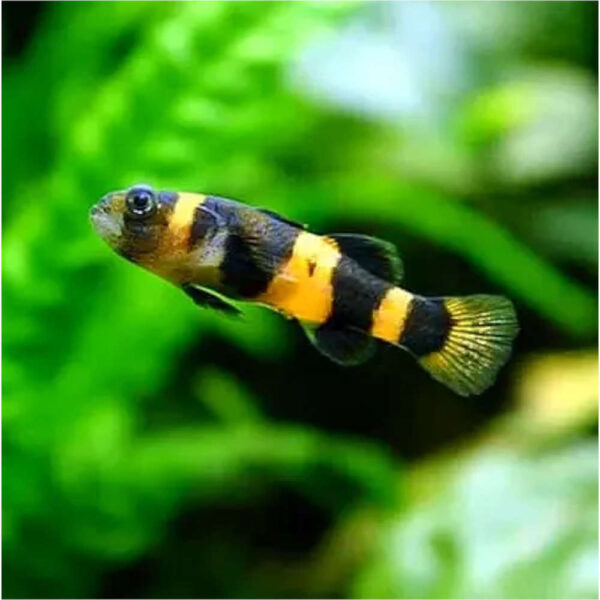
Introduction: The Bumble Bee Goby, also known as the Bumble Bee Fish or Banded Goby, is a small and captivating brackish water fish known for its unique appearance and playful behavior. With its striking yellow and black banding, this goby is a favorite among aquarists looking to add an eye-catching species to their brackish or freshwater setups. Its relatively peaceful temperament and adaptability make it an excellent choice for both beginner and experienced fish keepers.
Scientific Name: The Bumble Bee Goby is scientifically classified as Brachygobius xanthozona.
Water Quality and Temperature:
- Temperature: Maintain the water temperature between 75°F to 82°F (24°C to 28°C) to replicate their natural habitat.
- pH Level: A slightly acidic to neutral pH range of 6.5 to 7.5 is optimal for their health.
- Salinity: As a brackish species, a specific gravity of 1.005 to 1.015 is recommended, achieved through the careful addition of marine salt.
- Hardness: The water hardness should be kept between 5 to 15 dGH.
Feeding: Bumble Bee Gobies are primarily carnivorous and enjoy a varied diet. Their feeding regimen should include:
- High-Quality Flakes or Pellets: Offer specially formulated foods designed for carnivorous fish.
- Live or Frozen Foods: Supplement their diet with live or frozen options like brine shrimp, daphnia, and bloodworms to provide essential protein.
- Veggies: Occasionally, finely chopped vegetables can be offered, though their primary diet should focus on protein-rich foods.
Tank Mates: Bumble Bee Gobies are generally peaceful and can coexist with various species in a brackish aquarium. Suitable tank mates include other small, peaceful fish, such as mollies, guppies, and various types of tetras. It’s advisable to avoid larger or aggressive species that may outcompete them for food or harass them.
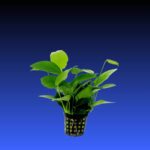
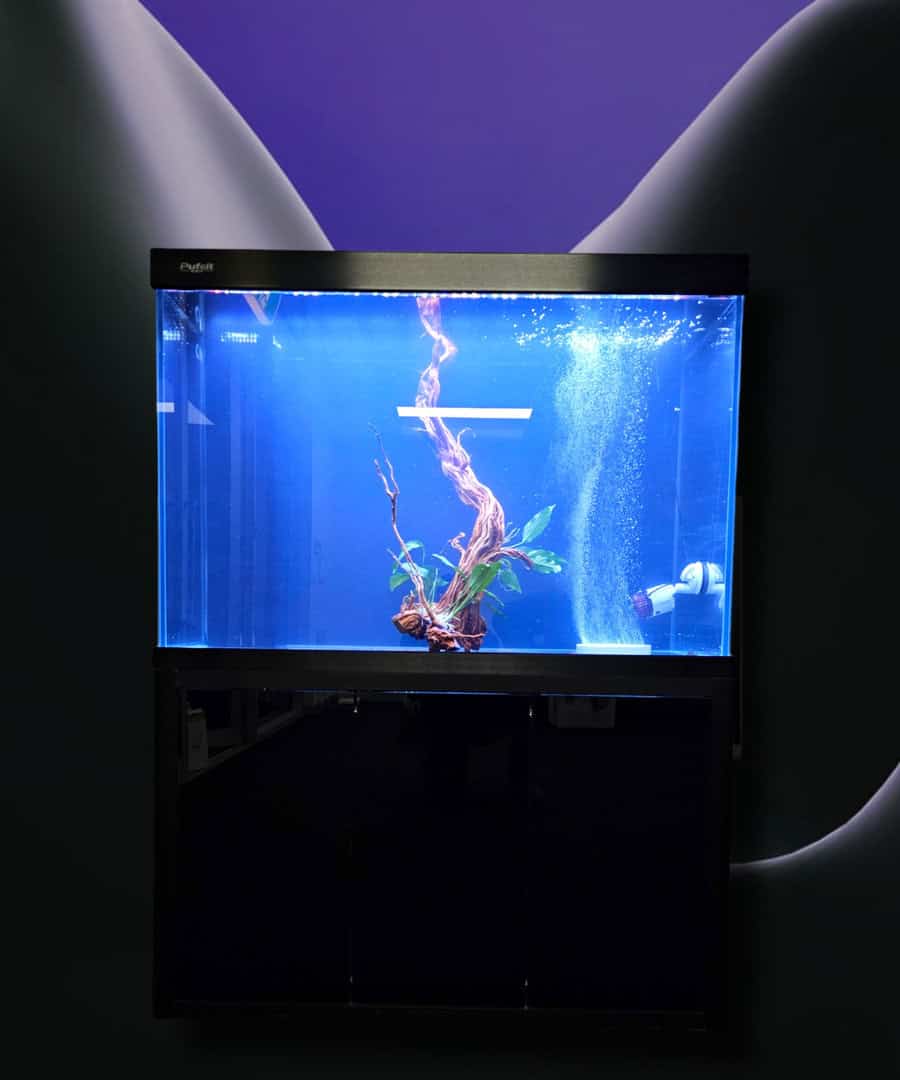
Substrates and Tank Decorations: A sandy substrate is ideal for Bumble Bee Gobies, allowing them to dig and forage naturally. Including smooth rocks, driftwood, and caves will provide hiding spots and stimulate their natural behaviors. Plants, especially hardy species like Java Fern and Anubias, can be added but should be securely anchored, as the gobies may dig around them.
Suitable Plants: While Bumble Bee Gobies may not interact significantly with plants, hardy aquatic plants can enhance their environment. Using robust species like Java Moss and Vallisneria can help provide cover and reduce stress.
Sexing: Sexing Bumble Bee Gobies can be challenging, as males and females are similar in appearance. However, males tend to be slightly larger and may display more vivid coloration during breeding displays.
Breeding: Breeding Bumble Bee Gobies in captivity is not common but can be achieved with the right conditions. They are known to be substrate spawners, laying eggs in small clutches on flat surfaces or in hiding spots. Providing a separate breeding tank with optimal water conditions and plenty of hiding places can increase the chances of successful breeding.
Maximum Size and Longevity: Bumble Bee Gobies typically grow to about 1.5 to 2 inches (3.8 to 5 cm) in length. With proper care, they can live for 3 to 5 years in captivity.
General Information: The Bumble Bee Goby is not only beautiful but also exhibits interesting behaviors, such as digging and exploring their environment. Their friendly nature and unique appearance make them a popular choice among aquarists looking for a small, active fish.
A Fun Fact: The Bumble Bee Goby’s striking coloration serves as a warning to potential predators, as it mimics the appearance of more dangerous species. This fascinating adaptation allows them to thrive in their natural brackish environments.















 Attention

 My Family
 Where I am from
 My behaviour
 How do I breed
 Can you keep me
 Potential of Hydrogen
 Temperature
 How long will I live









Reviews
Clear filtersThere are no reviews yet.